
What building a road actually looks like before it looks like a road. This documented sequence follows the three stages that decide whether a gravel road lasts: stripping to firm ground, building and shaping the structure, and surfacing with road mix — the anatomy from our full driveway guide, photographed on real Paradise Valley ground.



Strip first, always
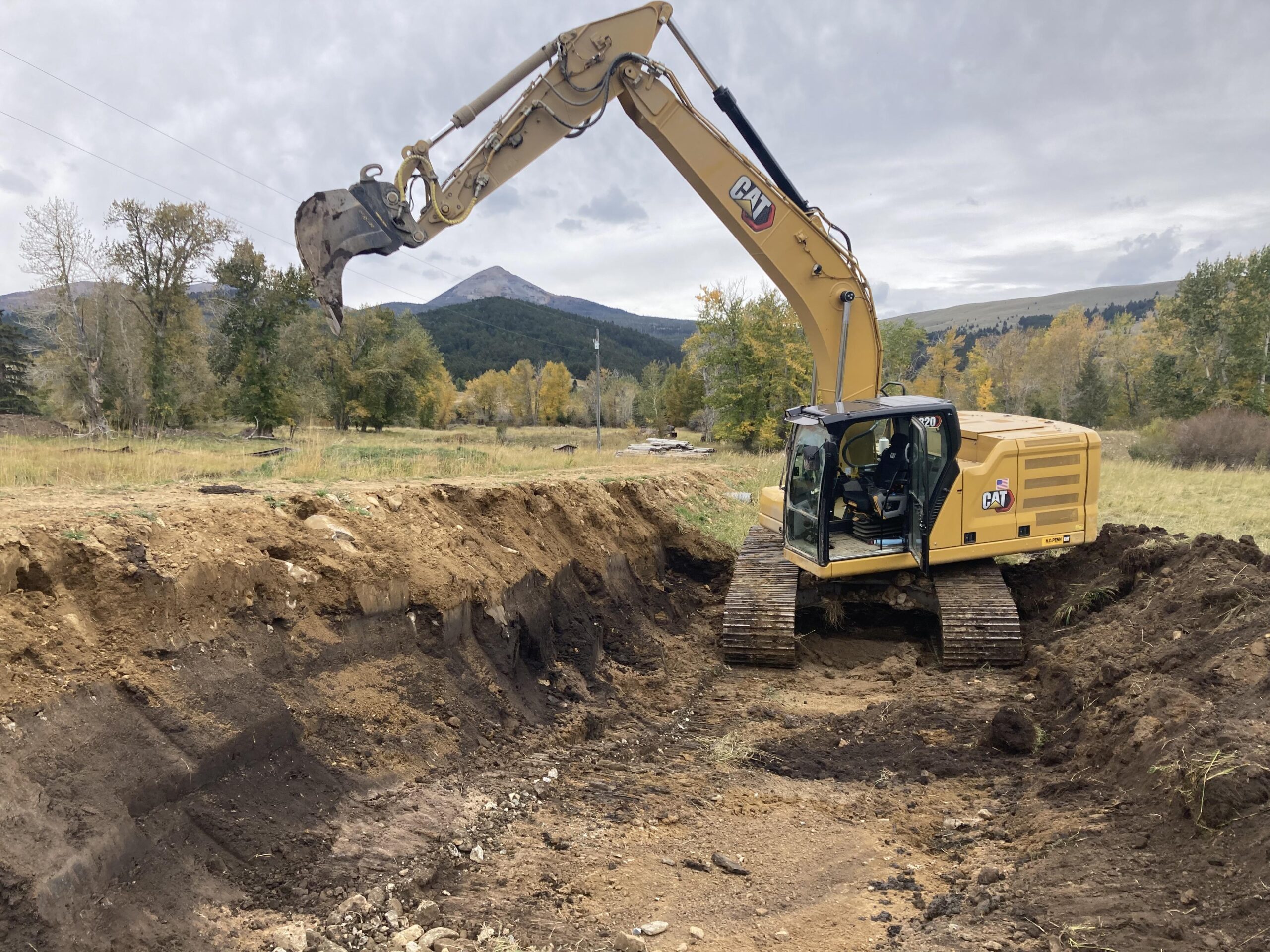
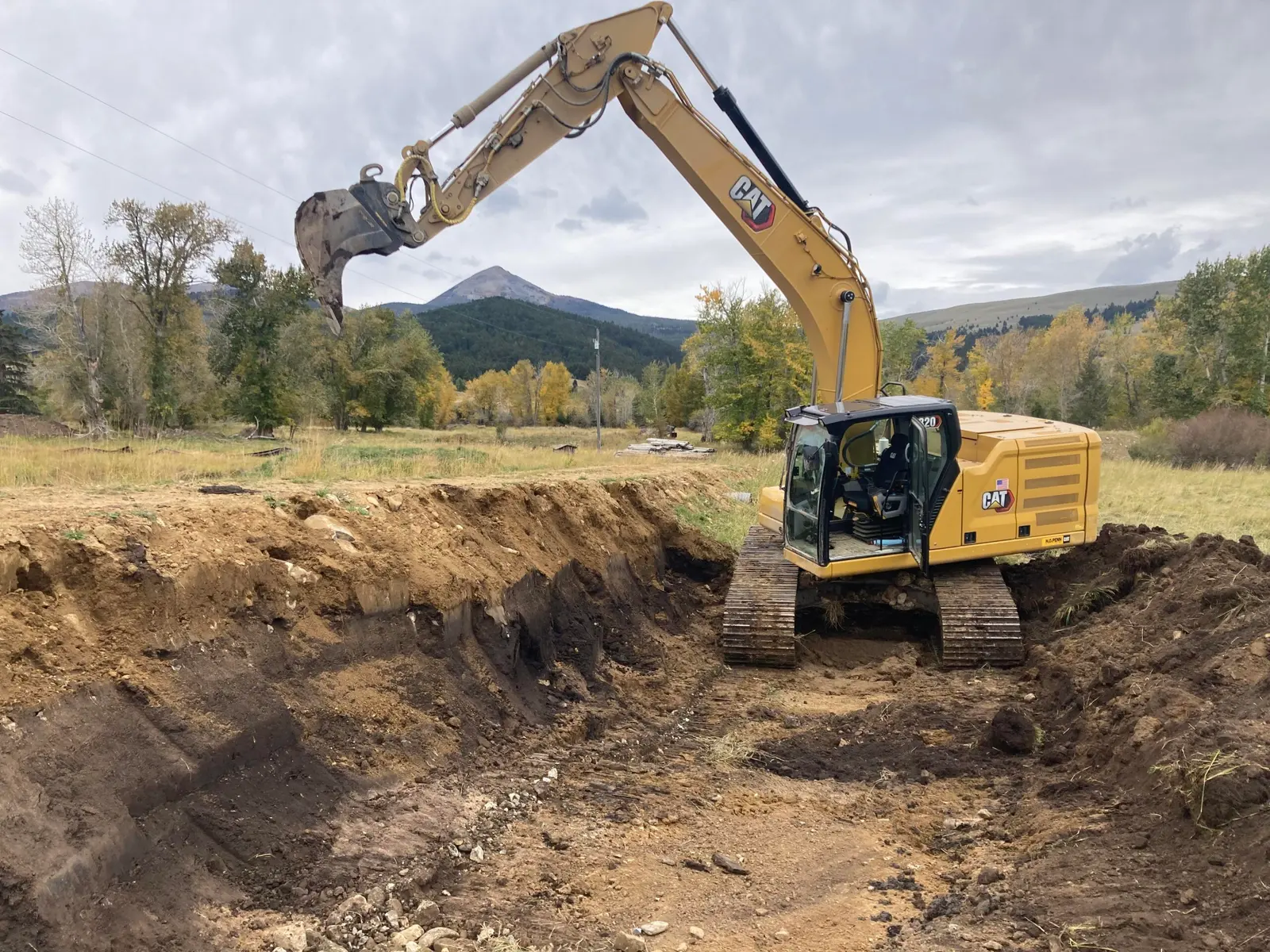
Topsoil stripped from the alignment down to firm subgrade. It's the least glamorous stage and the most skipped one — a road built over organics settles unevenly for years as the buried material decays. Stripping first means the structure above sits on ground that behaves.
Shape and base
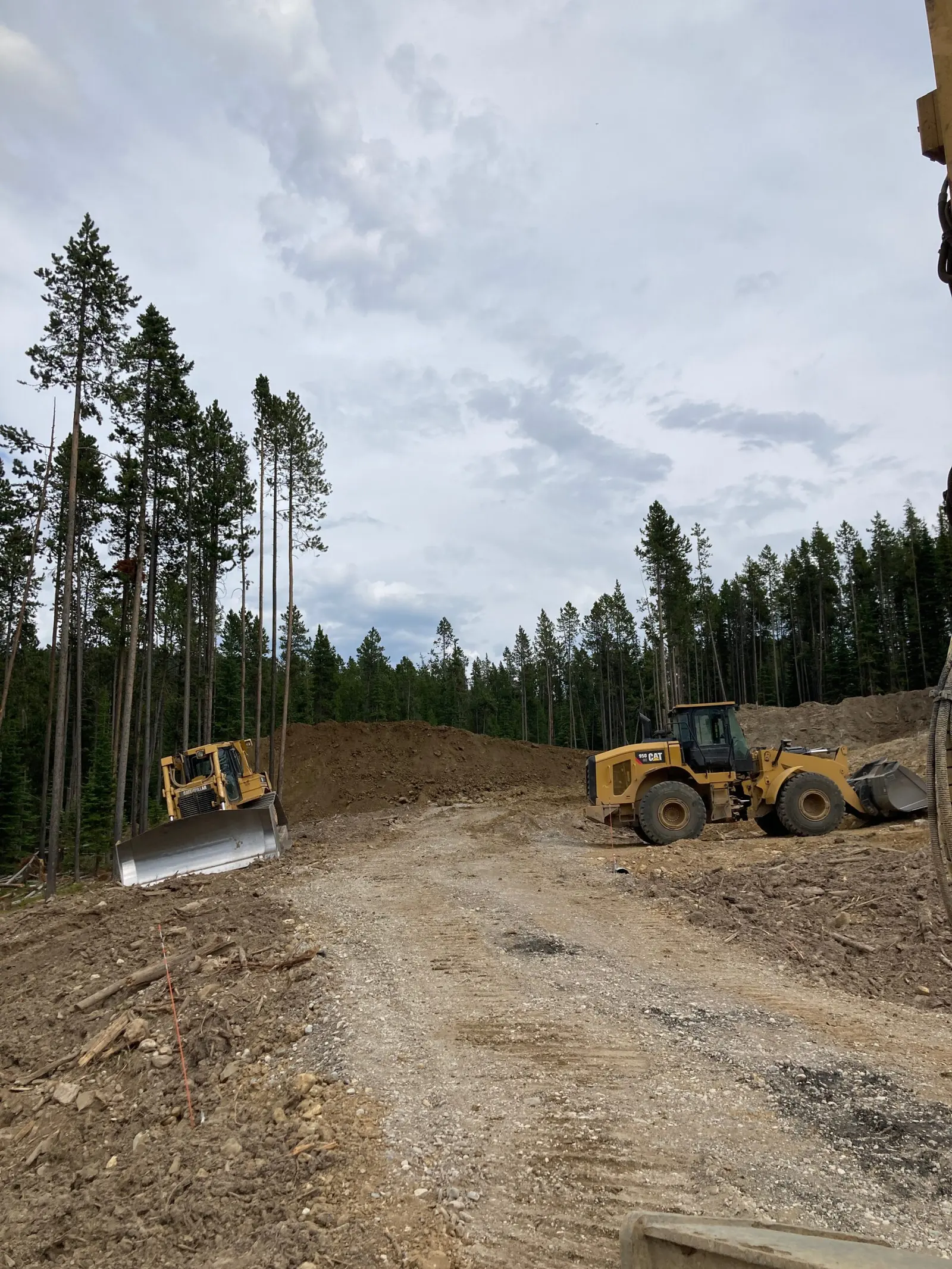
The roadbed shaped and built up, working toward the profile that makes gravel roads work: a crowned surface that sheds water sideways, edges that deliver it to drainage, and a compacted structure that spreads axle loads. The machine work here — cut, fill, compact, shape — is the road; everything after is surface.
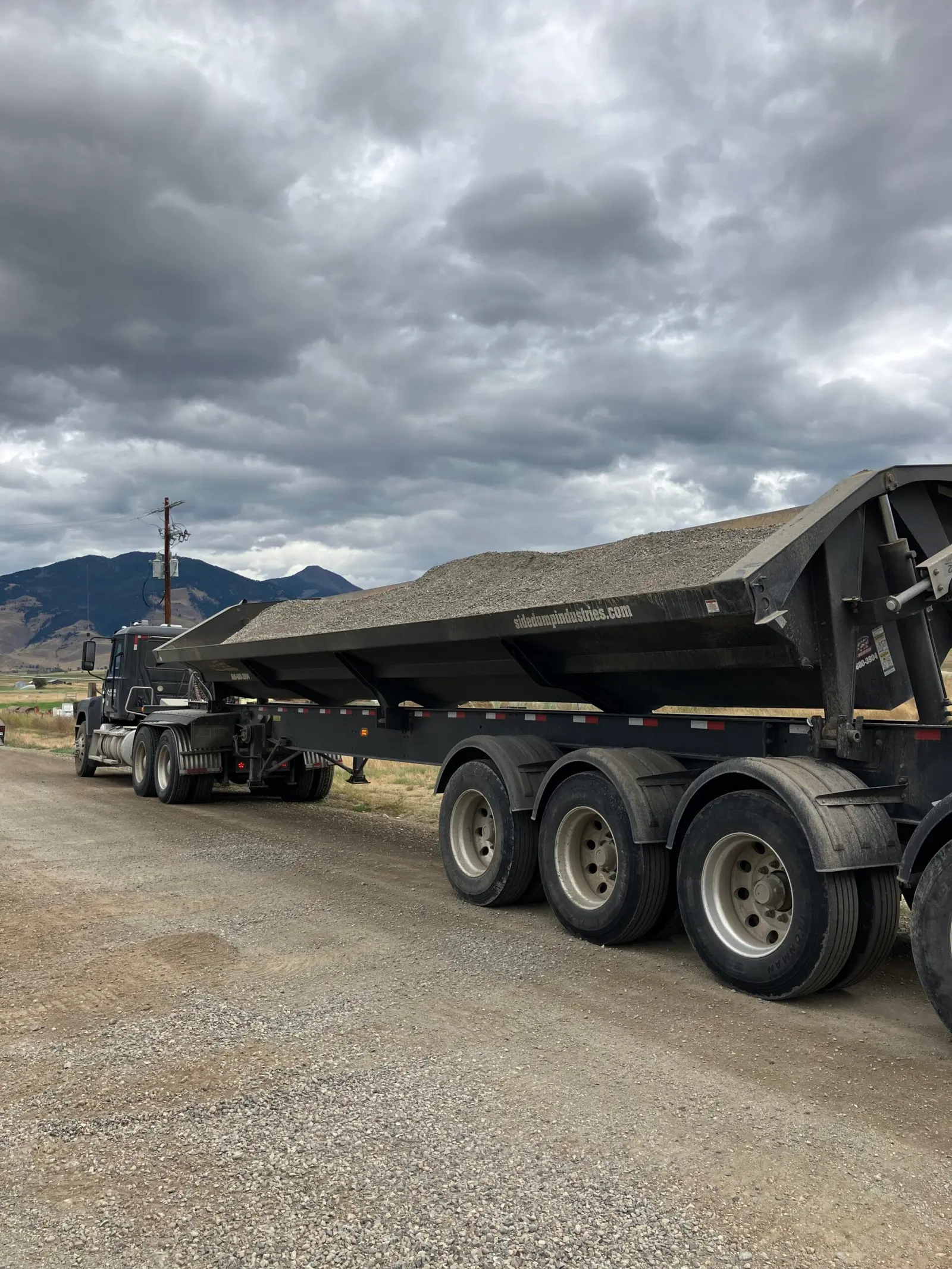
Road mix, delivered and placed
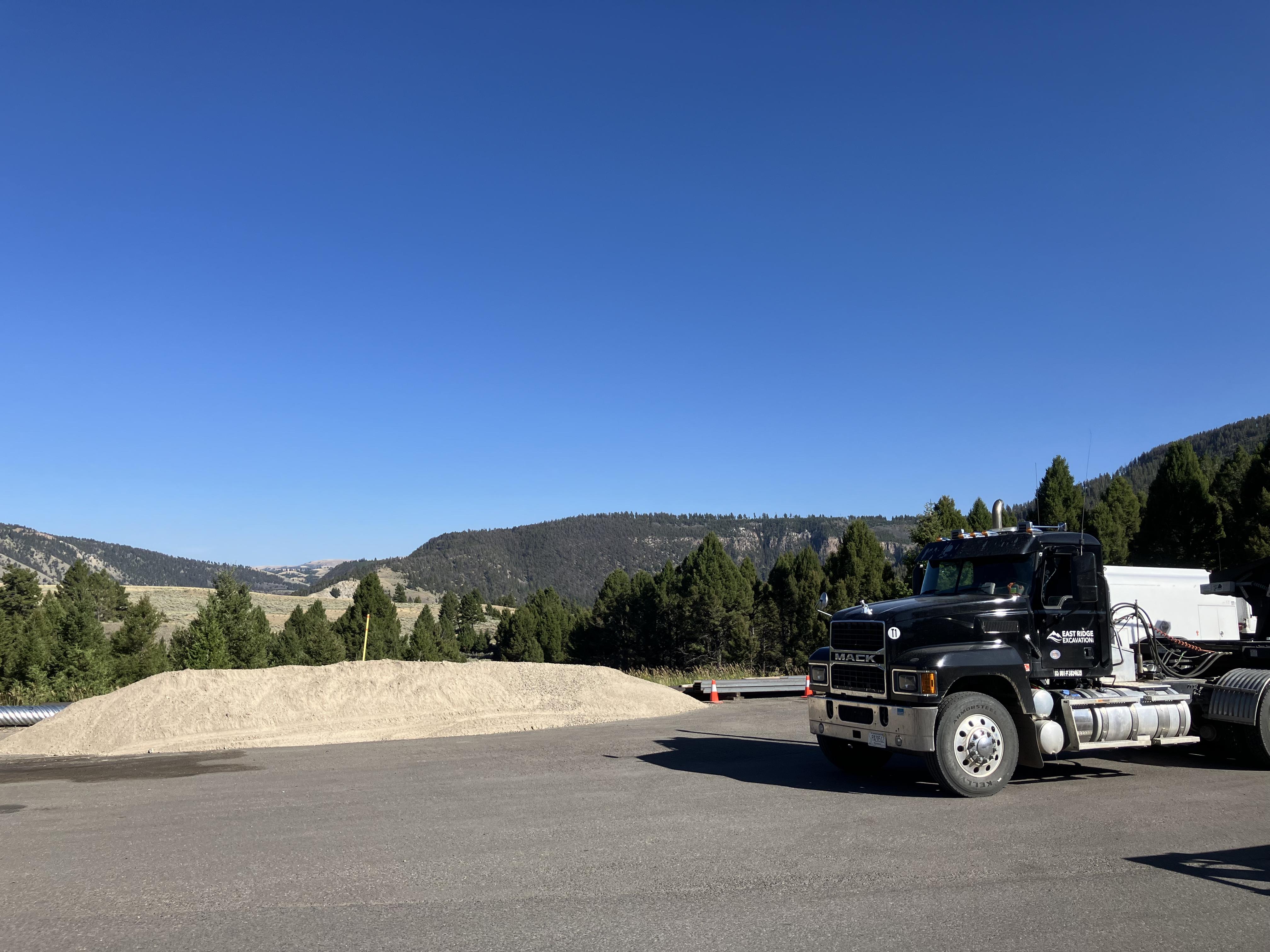
Surfacing with road mix delivered by our own trucks — crushed stone with fines that locks tight under compaction into a firm, water-shedding running course. Hauling in-house means the material, the placement, and the compaction happen as one operation instead of three arrangements.
What this road will ask for later
Built this way, the maintenance schedule is boring on purpose: a regrade to restore the crown after spring runoff, a surface top-up every few years, culverts checked each fall. The alternative — a bladed track with gravel spread on top — asks for that attention monthly instead of yearly.
Have a similar project? Tell us what your ground is doing and we'll walk it with you.